Nuclear Negotiations Readings and Lesson Plans
August 15, 2021
The decades-old feud between them is exacerbated by religious differences. They each follow one of the two main branches of Islam – Iran is largely Shia Muslim, while Saudi Arabia sees itself as the leading Sunni Muslim power.
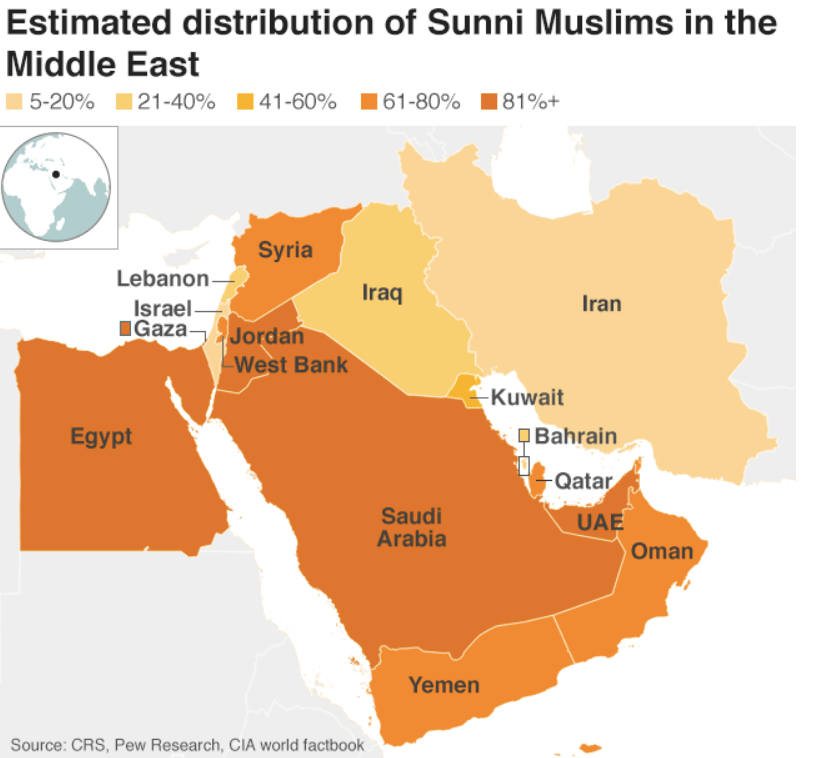
https://www.bbc.com/news/world-middle-east-42008809
Nigeria. Syria. Somalia. And now Iran.
In each country, in different ways, a water crisis has triggered some combination of civil unrest, mass migration, insurgency or even full-scale war.
American forces are in Iraq at the invitation of the Iraqi government, and they have every right and authority to defend themselves. This legal act of self-defense was not only proportionate — it was targeted and brilliantly executed, causing essentially no collateral damage.
So the killing was justified and legally sound.
Four years of economic warfare against Iran and its allies have barely changed their behaviour.
“Maximum pressure”, as Mr Trump calls it, has been a tactical success. In April Iran’s oil exports dipped as low as 70,000 barrels per day, compared with 2.5m two years before. (Exact numbers are elusive because much of Iran’s oil trade is now done in secret.) The rial, Iran’s currency, has lost 85% of its value. Yet economic pain has not brought political change. Sanctions have not compelled Iran to halt its support for militias nor convinced Bashar al-Assad, the Syrian dictator, to stop bombing his people. Sanctions may be an alluring tool for presidents. They are inexpensive, bloodless and largely up to executive discretion. But they often do not work.
Sanctions can be effective when they have broad international support, achievable demands and are targeted at firms and people that need to trade and travel. A multilateral embargo on Iran led to the deal in 2015 that restricted its nuclear programme. Sanctions on Rusal, a Russian aluminium giant, forced a Kremlin-backed oligarch to surrender control of the firm.
Mr Trump’s maximum-pressure campaign, however, fulfils none of these criteria. For a start, many of his sanctions are unilateral, and some have begun to fray. Iran’s oil exports have climbed from their nadir in April, perhaps to as high as 1m barrels a day this autumn, as some countries (particularly China) have defied American threats and snapped up discounted crude.
The American authorities dislike the word “assassination”, because it implies a flouting of international and humanitarian law. Indeed, some human-rights lawyers see the use of drones to kill people as almost always unlawful. Agnès Callamard, the UN’s special rapporteur on extrajudicial, summary or arbitrary executions, has argued that “outside the context of active hostilities, the use of drones for targeted killing is almost never likely to be legal….lethal force can only be used where strictly necessary to protect against an imminent threat.”
 An IB Global Politics Site