Unit Plan: The Cost of Water

This inquiry leads students through an investigation of water access in the Middle East using various sources that consider geographical, political and economic issues. By investigating the compelling question, students examine the geography of the region, including environmental and demographic relationships, the ecological impact of accessing water, and the subsequent political conflicts over control of natural resources. By completing this inquiry, students begin to understand issues revolving around access and control of resources, such as the consequences of power struggles that befall countries with limited access to water resources.
http://c3teachers.org/inquiries/cost-of-water/

Inside the Hunt for the World’s Most Dangerous Terrorist

Terrorism online presented a new twist—never before had the United States been involved in a conflict where the enemy could communicate from overseas directly with the American people. And just months before I arrived at the FBI in 2007, working as a special counsel and later chief of staff to Director Robert Mueller, a new online tool named Twitter launched. We had no idea then how much power it would give to online extremists.

https://www.politico.com/magazine/story/2018/11/21/junaid-hussain-most-dangerous-terrorist-cyber-hacking-222643/

Where Will Everyone Go?

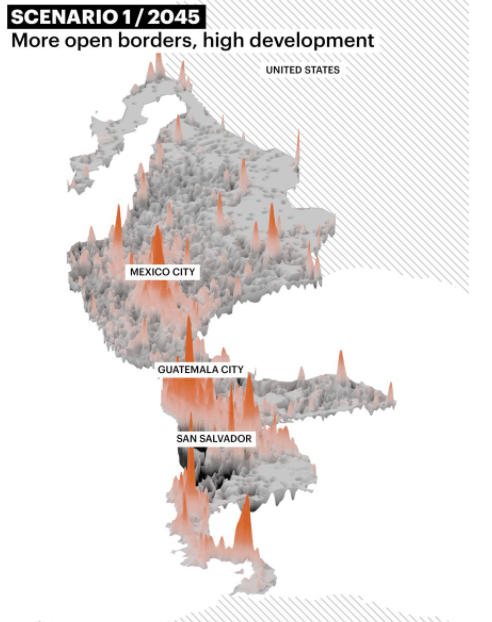
ProPublica and The New York Times Magazine, with support from the Pulitzer Center, have for the first time modeled how climate refugees might move across international borders. This is what we found.

Scientists have learned to project such changes around the world with surprising precision, but — until recently — little has been known about the human consequences of those changes. As their land fails them, hundreds of millions of people from Central America to Sudan to the Mekong Delta will be forced to choose between flight or death. The result will almost certainly be the greatest wave of global migration the world has seen.

https://features.propublica.org/climate-migration/model-how-climate-refugees-move-across-continents/

How Space Became the Next ‘Great Power’ Contest Between the U.S. and China

The Biden administration faces not only waves of Chinese antisatellite weapons but a history of jumbled responses to the intensifying threat.

“There’s been a dawning realization that our space systems are quite vulnerable,” said Greg Grant, a Pentagon official in the Obama administration who helped devise its response to China. “The Biden administration will see more funding — not less — going into space defense and dealing with these threats.”

The protective goal is to create an American presence in orbit so resilient that, no matter how deadly the attacks, it will function well enough for the military to project power halfway around the globe in terrestrial reprisals and counterattacks. That could deter Beijing’s strikes in the first place. The hard question is how to achieve that kind of strong deterrence.